It is a great idea zap mosquitoes with laser. I would buy one to defense my front yard from unwanted flies, mosquitoes, bees or any annoying flying insects.
Michael Jackson
Today, everyone is talking about Michael Jackson passed away. I hear it at work, I got it from the front page of the newspaper, I got it from the headline of the evening news, and I got it in almost every blog I visit. I can’t even escape from Michael Jackson visiting friends tonight, the host of the house party is playing Michael Jackson.
Michael Jackson maybe the an pop icon, he maybe very talented, but I never like him and never will. To begin with, I am don’t like dance music and I found his songs are too noisy to listen. When he was really popular in the 80’s, I don’t understand why people love those silly dance moves. Then in the 90’s Michael simply became a laughing stock in the music industry. After many failed plastic surgery, his look resembled the apes in the movie Planet of the Apes. Later on his pedophile scandal make totally bankrupted his character.
He may left behind many legendary work in the mind of his fans. To me, all I remember about Michael Jackson are the funny moonwalk, a really stupid computer games featuring him using moonwalk to kill aliens and the dirty dance in which he keep touching his lower part. I guess I just have to bare the endless media coverage about Michael Jackson in the next few days until everyone finally get tried of him and move on.
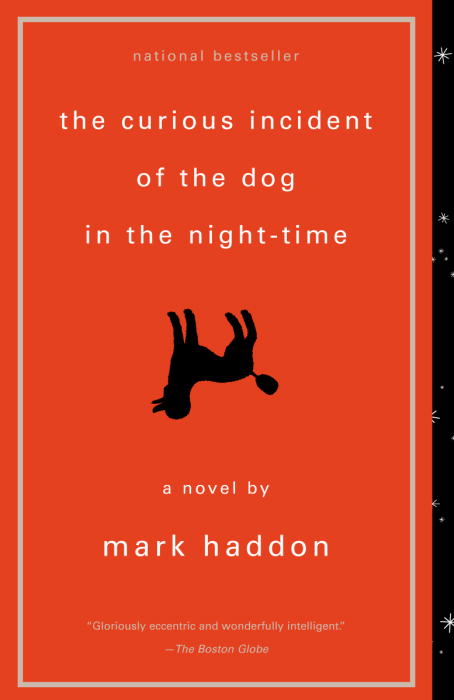
The Curious Incident of the Dog in the Night-time – Mark Haddon
我一向對文學作品敬而遠之﹐特別是得獎的文學作品。《深夜小狗神秘習題》獲得多項文學大獎﹐包括零三年英國Whitbread大獎﹐零四年英聯邦作家大獎﹐以及與《追風箏的孩子》共同獲取零四年Boeke大獎。這本小說的題材很特別﹐介乎兒童故事書與嚴肅文學之間﹐主人公是患有輕度自閉症的十五歲男孩。他在深夜發現鄰居的小狗被謀殺﹐引起他追查兇手的好奇心。故事發展出人意表﹐男孩從小狗謀殺案開始﹐發現他父母間讓讀者心碎的秘密。
作者除了寫出一個感人的故事外﹐還嘗試透過這本書﹐讓讀者了解自閉症患者的內心世界。故事由主角作第一身描述﹐用意識流的寫作方法﹐把主角腦海的自言自語呈現讀者眼前。自閉症患者與常人的思想不同﹐他們不善與別人溝通﹐害怕陌生人和陌生的地方﹐他們生活必需要充滿規律井井有條﹐否則會對他們的精神感到極大困擾。自閉症患者並不是蠢﹐他們通常智力比常人發達。書中的男孩能夠記憶大量資訊﹐不論看見什麼事物﹐他也會像百科全書一樣﹐把相關的資料全部羅列出來﹐盡管大部份只是無關痛養的無用資訊。他還是數學天材﹐當外界環境對他的官感有太多刺激時﹐讓自己冷靜下來的方法便是計算複雜的數學難題。
普通人常常不理解自閉症患者的思維﹐反過來自閉症患者也不明白普通人的思維。很多時候正常人卻覺自閉症患者不合理﹐但﹐經過作者詳細描述自閉症患者的思考步驟﹐倒過來反像普通人才是不合理。自閉症患者心中有一套整完的思考邏輯﹐有時比普通人的想法更容理解﹐至少他們的想法很有一至性﹐不會像普通人般常常朝令夕改。自閉症患者只能理解說話字面的意思﹐往往不能推斷說話背後的含意或解讀身體語言的符號﹐令到他們在日常生活中面對很多困難。簡單不過是問地址﹐賣地圖﹐坐地鐵﹐對書中的男孩來說已是很大的挑戰。
老婆從事自閉症兒童的教育工作﹐她從圖書借來這本書工餘進修閱讀。她邊看邊說書中主角有點似我﹐我也是思想古板不知變通﹐她還說我可能輕度自閉症。我見她看完這本書閣在桌上﹐便隨手翻開看看﹐想不到吸引我讀下去的﹐竟然是書本的章節數字。這本書的章節數字很有趣﹐並不如絕大多數書般順序數下去﹐而是由小至大的質數。老婆說我是自閉有點跨張﹐不過經過多年工程師的理性訓練﹐我倒認為書中男孩沒有感情的想法不太難理解﹐有時我也會用這種方式去思考問題呢。
Direction of the sun
Buying a house is probably the biggest purchase normal people ever made in a life. There are many factors the buyer has to consider before signing the offer. Location, price, size, building material, environment, school net, etc are factors most people come up in their mind when they make a purchase. The amount of sunlight the place get is often a factor many people easily overlook. You want to have more sunlight shine on the place in the winter and avoid afternoon heat in the summer.
Even you are aware about the sunlight, most often you can only rely on the not so accurate the general rule of thumbs, like avoid having west facing window and prefer to have south facing windows. If you want to find out the exact amount of sunlight the place gets all year round, technology comes to help.
First, go to Google map and search on the address. Switch to satellite view to pin point the exact location of the house. Compare the satellite photo with the floor map of the house and jot down the orientation of the windows. Then download a sky map software, instead of finding out the stars at night, use it to find out the position of sun during the day. You enter the altitude and longitude of your city and enter the time of the day, then the software will show you where the sun is in the sky. Pick at least a day in each of the four seasons and track the path of sun the in the sky. You will have a pretty good idea how much sunlight the place will gets.
For example, this is the sunlight data of Vancouver on July 1st
| Altitude (° ) | Azimuth (° ) | Time (24h) |
| 0 | 50 | 5:05 |
| 10 | 65 | 6:23 |
| 20 | 78 | 7:31 |
| 30 | 88 | 8:32 |
| 40 | 100 | 9:32 |
| 50 | 118 | 10:43 |
| 60 | 140 | 11:55 |
| 65 | 180 | 13:14 |
| 60 | 213 | 14:23 |
| 50 | 242 | 15:46 |
| 40 | 260 | 16:55 |
| 30 | 270 | 17:50 |
| 20 | 280 | 18:52 |
| 10 | 295 | 20:02 |
| 0 | 310 | 21:19 |
Altitude – how high is the sun. 0° = on the horizon, 90° = right above the head
Azimuth – the bearing of the sun. 0° = North, 90° = East, 180° = South, 270° = West
No more Economist
In the economy downturn, first the company laid off the librarian, then it cut all the magazine subscriptions and close down the library. I am a long time loyal reader of the Economist since university. I used to read the article on the website using my dad’s subscription account. I forgot when I first discovered the company orders the Economist, but since then I have been borrowing the magazine from the library every week. I hang out in the library quite often and make good friend to the librarian. She is so kind that when the Economist arrive every Monday and she will put it in reserve under my account and email me to pick it up.
I like reading the paper copy better than the online version, as I can read it anywhere I like, including in the toilet. Now I can no longer borrow the latest issue Economist from the library, I have to decide whether or not order my own copy. On one hand, reading it online is free, on the other hand, reading it online is not very convenient. I will try reading it online for a while since how well can I keep up with the reading. I found reading the Economist in toilet actually takes up all my toilet reading time and I have no time left for other books in the toilet. Maybe I can be more productive if I read real books in the toilet and squeeze time here and there to read an article from the Economist during the day.